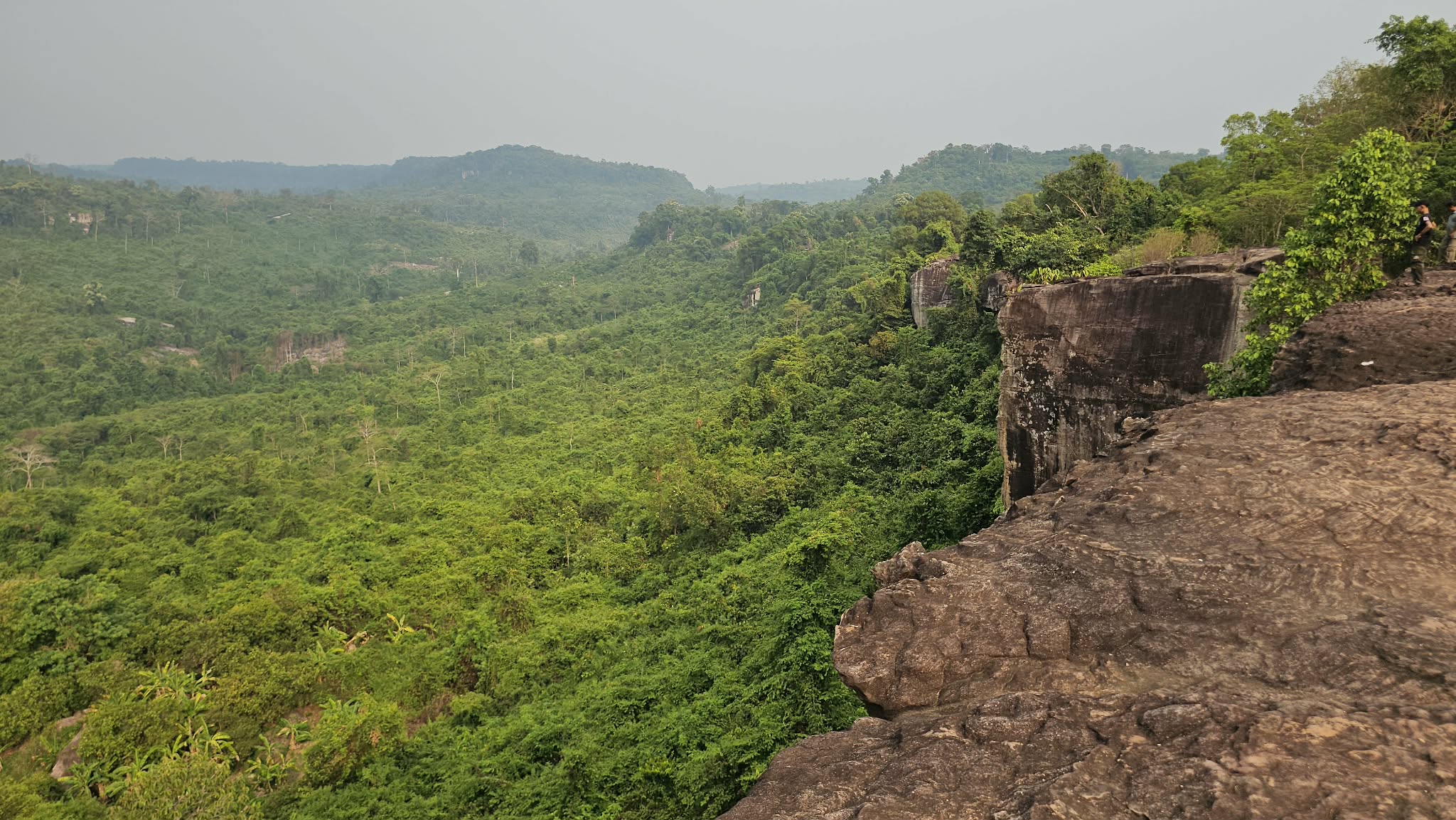
There’s something that happens around day three or four of a bushwalk with a group of young people. The complaints have faded, the confidence is building, and the blisters and scratches have become badges. Somewhere between looking at a steep descent down a rocky creek bed, and the tent-pitching in the middle of the night, something is shifting.
Kids come back from a week-long bushwalk different from when they left. You see it in their posture, in their wry little smile, in the quiet confidence that replaces the tentative concerns of Day 1. They’ve solved problems and looked after their own needs. They’ve relied on each other when there was no one else. They’ve been cold, tired, and hungry — and they’ve kept going. Nobody said there weren’t a few tears shed along the way. “What have you done with my daughter?” proclaimed a father who was anxious to see his little girl set off with what he thought was a rucksack she could almost have slept in!
For years I, along with others, coordinated the Duke of Edinburgh Award Scheme, and the Expedition component was always the most rewarding part. They were seldom easy to organise, and I’m very thankful we had a good team putting it all together. They were not comfortable nor easy to conduct. But the outcomes were real.
Today’s classrooms have quietly been redesigned so that nobody really fails, but the bush has not. If you set off late, you walk in the dark; pack stuff you don’t need, you carry it anyway. Kids learn that failing at small things is survivable — which might be the most important lesson after all. Growth doesn’t happen in the comfort zone; it happens when a student is navigating down a steep descent lined with big boulders — and the sun sets sooner than expected. It happens when you sit down on a log — and your backpack is so awkward it pulls you over backwards. It happens when the group has to figure out dinner when someone has forgotten an important ingredient. It happens when they realize they’re capable of more than they ever imagined, and an “easy expedition” doesn’t satisfy their need for a challenge any longer.
The classroom can teach them about the centre of gravity and about ecosystems, but the bush teaches them their place in nature. Trouble is, these days fewer and fewer kids find themselves out there. But that’s a post for another time.